Fence construction, fluctuating forage quality, lack of remuneration and unresolved legal issues: There are many reasons why animals are spending less and less time on pasture. Our approach is just as comprehensive. Across six working areas, we examine how digital technologies can make pasture management easier, how grasslands can be managed sustainably, and under what conditions new solutions are economically, socially, and legally viable.
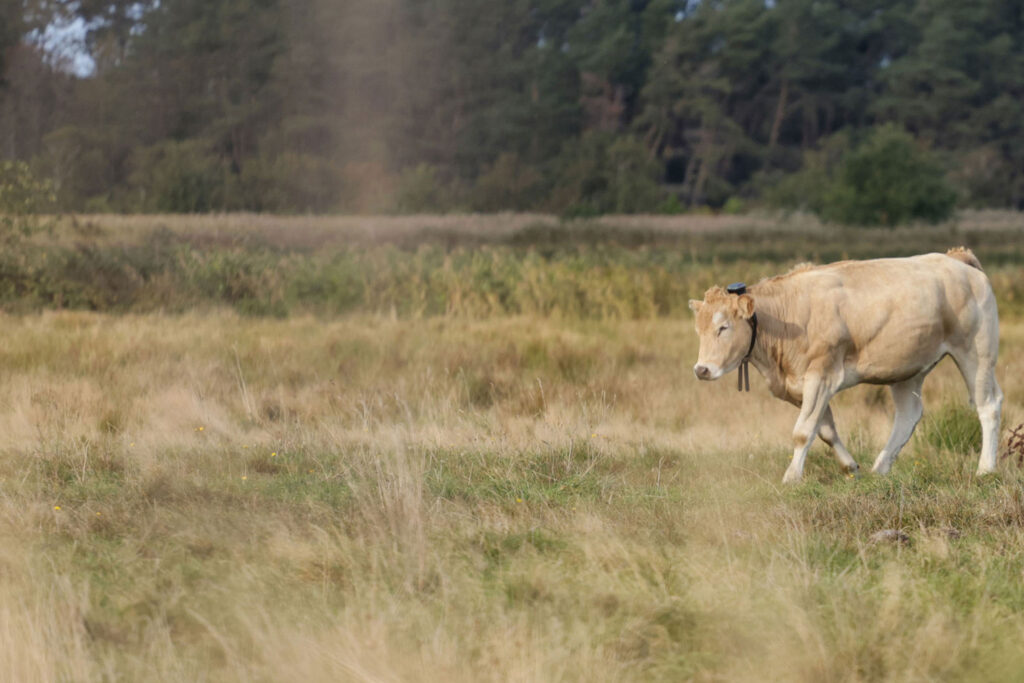
Pasture-based husbandry stands for animal welfare and nature conservation like almost no other form of livestock management. We develop digital pasture systems that give livestock the greatest possible freedom of movement and significantly ease the daily workload for farmers.
At the heart of the system is virtual fencing technology: Instead of wire and posts, an app defines the pasture boundaries—flexibly adaptable to forage availability, bird breeding seasons, or sensitive nature conservation areas. This eliminates the need for fence construction and maintenance, as well as barriers that would otherwise obstruct wildlife. The system is complemented by PastureGuide, which is developed to support the targeted guidance of the animals and continuously monitor their well-being.

Virtual fencing system: Uses satellite-enabled collars and an app to define grazing areas.

The collar emits an acoustic warning when the animal approaches a virtual boundary.

When the animal moves away from the boundary, the signal stops immediately.

If the animal continues moving forward, a brief electrical pulse is delivered to stop it.
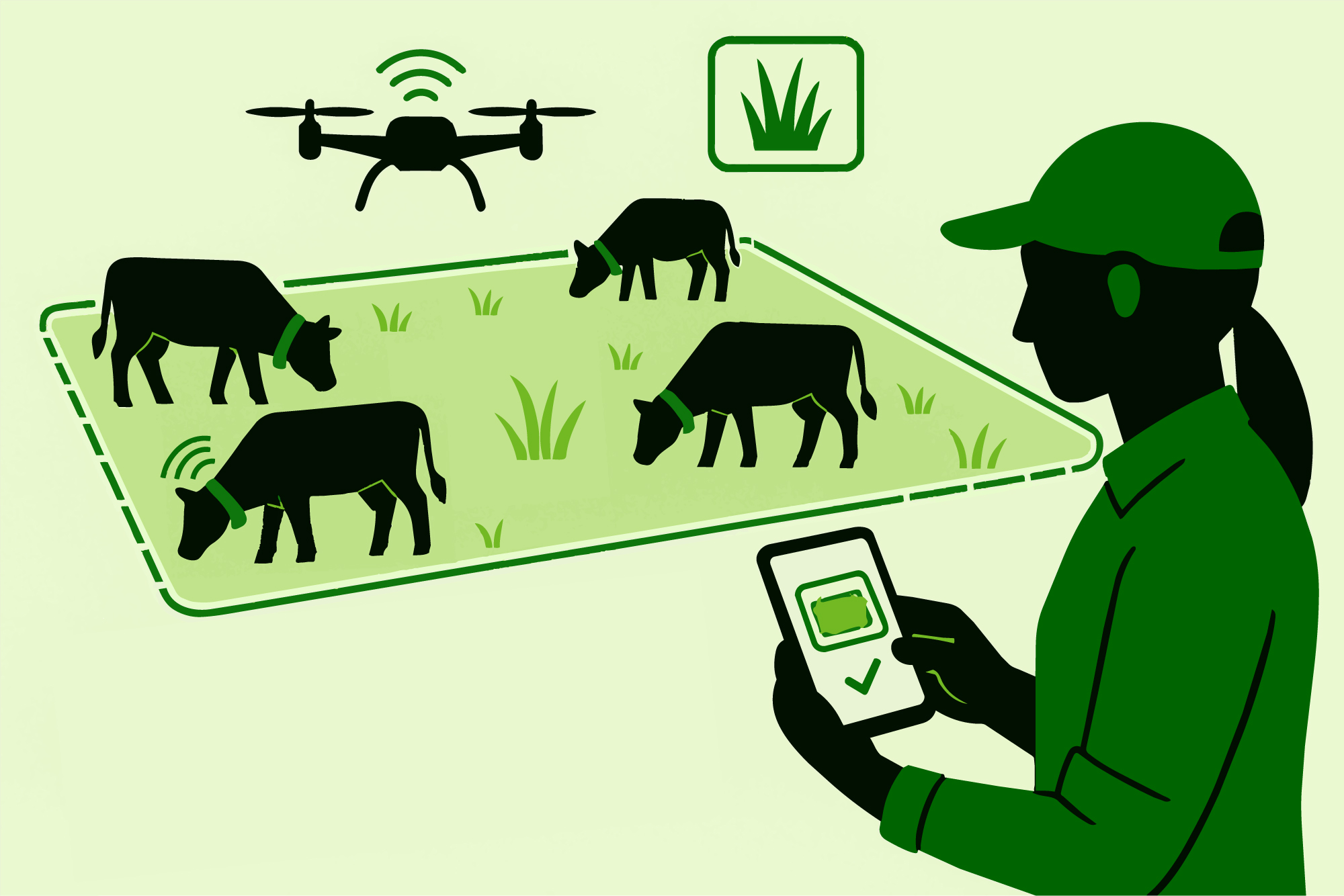
Sustainable grassland management requires accurate, up-to-date information on the condition of the pastures. Satellite and drone data provide exactly that: comprehensive coverage, high resolution, and near real-time data. In combination with artificial intelligence, this data can be used to develop concrete decision-making tools for stocking rates and rotation periods—enabling a grazing management system that balances yield and biodiversity.
You are currently viewing a placeholder content from Vimeo. To access the actual content, click the button below. Please note that doing so will share data with third-party providers.
More InformationThe SMI (Software-Based Multi-Level Information System), developed as part of the GreenGrass project, integrates herd management, pasture planning, and remote sensing data into a single system. This generates precise, location-specific recommendations for optimal grazing—and allows farmers to keep track of pasture quality, animal health, and documentation at all times.
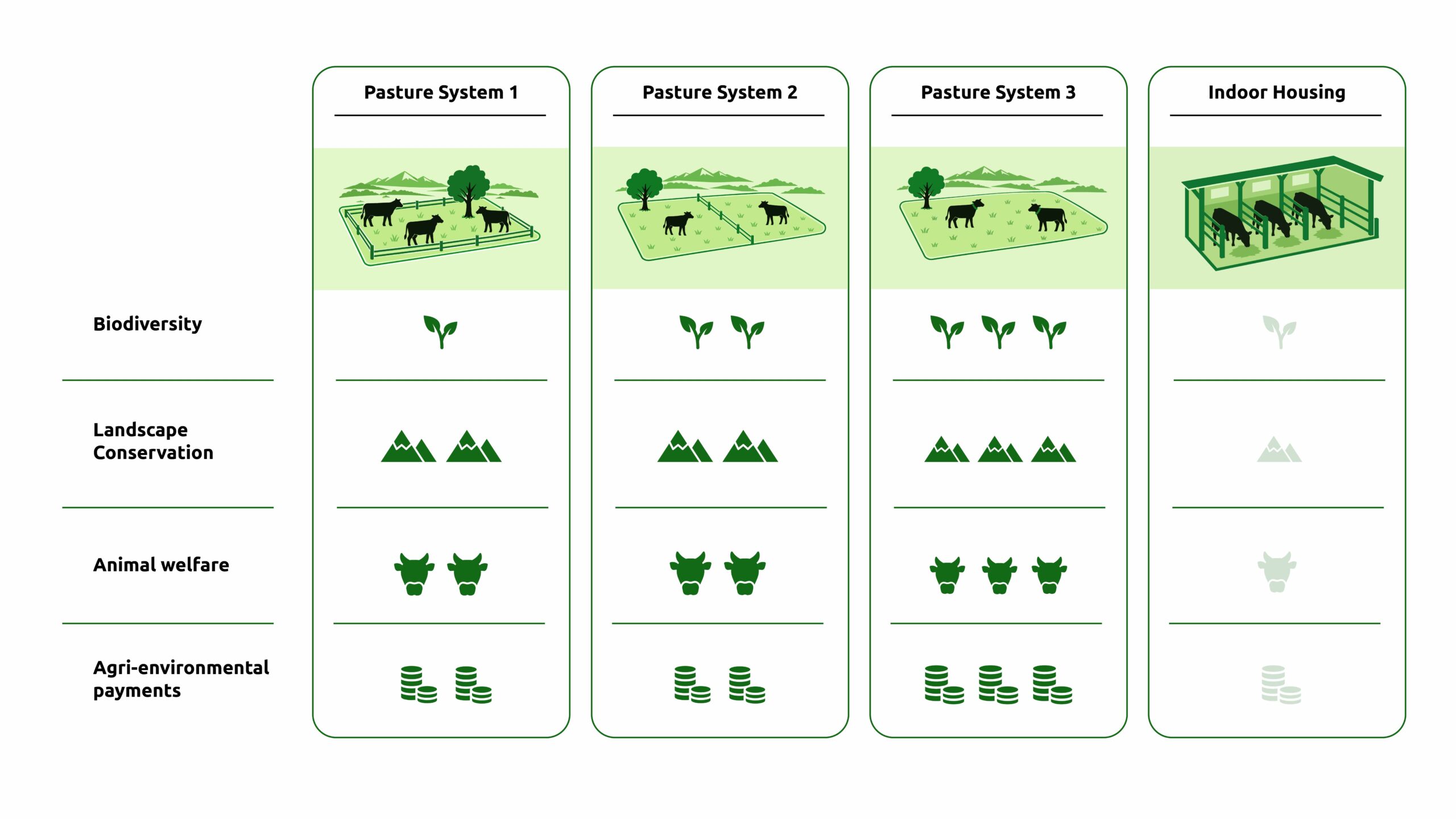
Site-specific livestock grazing provides far more than just animal products—it promotes animal welfare, biodiversity, and landscape conservation simultaneously. To ensure that these valuable services are also recognized economically, we are developing ways to make them measurable and to compensate farmers appropriately for them. The data continuously collected using GreenGrass technologies provide a reliable, up-to-date foundation for this.
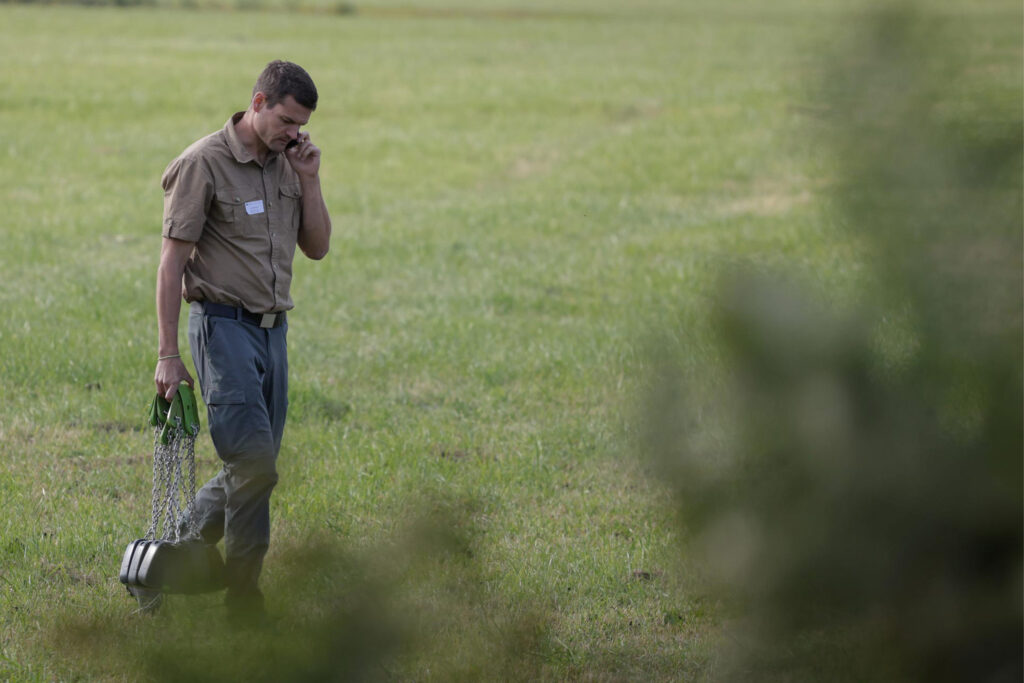
Innovative technologies are most successful when the people who will eventually use them are involved in shaping them from the very beginning. That is why we focus on collaborative, transdisciplinary research involving agriculture, civil society, government agencies, and academia—in three regional Living Labs and one cross-regional Policy Lab.

For digital livestock management systems like PastureGuide to realize their full potential for animal welfare, sustainable grazing, and future-proof agriculture, a clear legal framework is needed. We systematically analyze national, European, and international legal frameworks—ranging from animal welfare and liability issues to data protection and data sovereignty—thereby laying the groundwork for GreenGrass technologies to be integrated into agricultural practice in a legally compliant manner.
Pasture-based livestock farming is not only a tradition but also key to animal welfare, landscape conservation, and biodiversity. Animals on pasture can move freely, choose their own food, and are less prone to disease. Even dairy cows can find sufficient food on pasture if the size and quality of the pasture areas is tailored to the herd’s needs. This reduces the need for concentrated feed, which must be produced on cropland and is often imported.
However, grazing-based systems face major challenges: increasing herd sizes, fluctuating availability, and inconsistent quality of pasture forage due to climate change and extreme weather events make modern indoor-housing systems appear more reliable for practitioners than pasture-based livestock management.
Added to this are the significant time requirements for fence construction and maintenance, as well as, in some cases, special restrictions on farming in protected areas, which make grazing unattractive for many farmers. However, the potential of IT innovations and sensor technology for pasture management remains largely untapped. One innovative development are virtual fencing systems. These systems work via collars that can emit acoustic warning signals and, if necessary, electrical pulses. Using GNSS, cellular networks, and an app, fences can be digitally mapped, transmitted to the collars, and monitored by farmers in real time. With virtual fencing systems, animals can be kept on pastures precisely and flexibly—physical fences are thus hardly needed anymore. Virtual fences mean: less fence construction, less clearing along the fence lines, and no obstacles for wildlife. Instead: dynamic pasture allocation, rapid adaptation to weather conditions, breeding seasons of protected birds, or parasite-infested wetlands and rough terrain.
Virtual fences are invisible boundaries that can be created and controlled via a mobile and GNSS-based app. Through collars, grazing animals receive acoustic signals when they approach the virtual boundary. If an animal turns away from the fence, the acoustic signal stops. If an animal crosses the virtual fence boundary, the collar emits a brief electrical pulse to stop the animal. If an animal fails multiple times to respond to this combination of acoustic warning and electric impulse, the emission of signals and electrical pulses is stopped, and the livestock owners are notified of the incident via the app. The collar of an escaped animal remains deactivated until it has returned within the boundaries of the virtual pasture. The animals’ locations can be viewed in the app at any time.
Unlike in other countries worldwide and in Europe, virtual fencing technologies are not yet approved in Germany. We were able to test virtual fences as part of approved animal experiments.
Unlike in a number of countries worldwide, virtual fencing systems are not yet approved in Germany. However, we were able to test the technology as part of officially approved animal experiments.
Consistent with other international studies, our experiments since 2020 show that cattle and goats quickly understand the connection between the acoustic signal and the electrical pulse: They learn to move away from the fence line when they hear the acoustic signal and remain within the designated area. Compared to animals kept with conventional fences, they show no increased stress levels or other signs of impaired welfare (examples of references: Grinnell et al. 2025, Hamidi et al. 2022, Musinska et al. 2025, Wilms et al. 2024). We even implemented rotational grazing, where fence lines have to be shifted frequently, in grazing trials with cattle at the University of Göttingen’s research farm in Relliehausen (Grinnell et al. 2025).
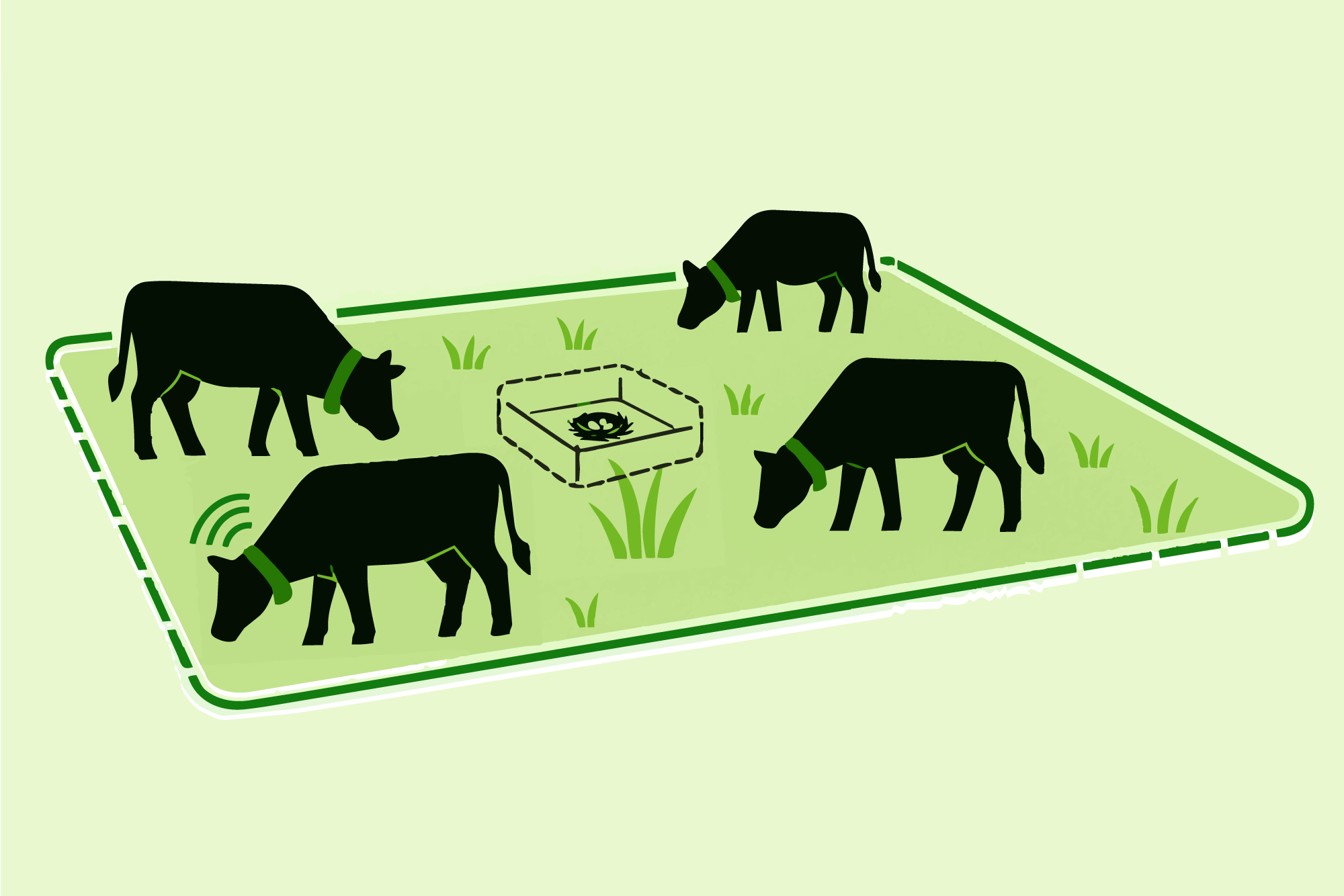
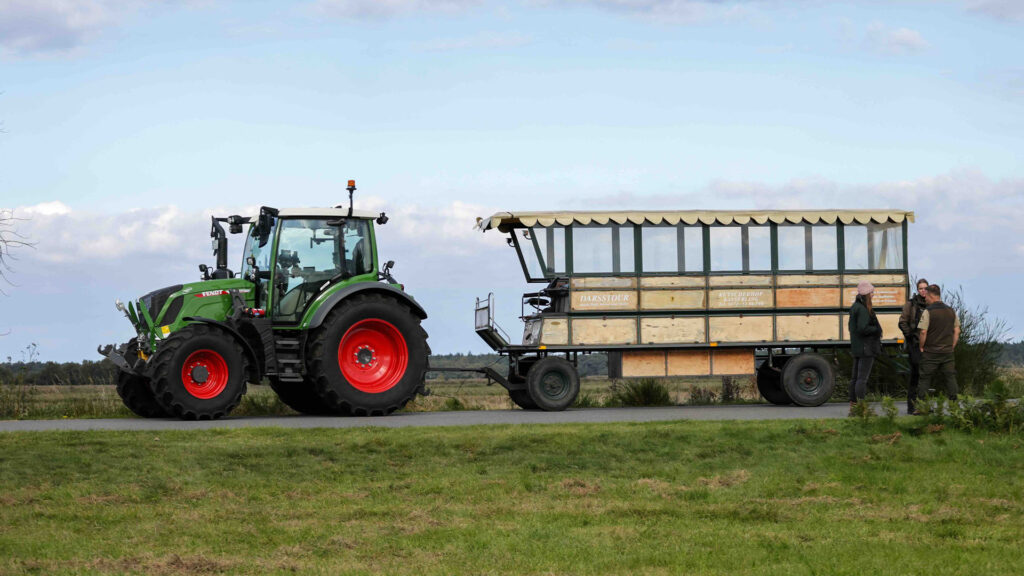
We are also investigating whether conflicts of interest between agricultural production and nature conservation can be reduced. To this end, we conducted studies on the Darß peninsula in the Western Pomerania Lagoon Area National Park in Mecklenburg-Western Pomerania in 2024 and 2025 to test the effectiveness of virtual fencing systems for small enclosures within a pasture (Riesch et al. 2026). This could benefit, for example, ground-nesting bird species or rare plants that need to be protected from the impact of grazing animals.
Still, the future of pasture management lies not only in virtual fencing. With individual-based sensors and digital tools, it would be possible not only to guide the movement of animals but also to continuously monitor their health, behavior, and well-being. We are developing and testing such tools: PastureGuide is a software system designed to make pasture management easier for farmers. It includes a collar with guidance and health features. The guidance feature is intended to enable targeted movement of the animals. This means that the animals can be guided, for example, to a different pasture, to the milking parlor, or to a treatment chute.
The health feature is designed to enable automated animal welfare monitoring. It analyzes the animals’ movement patterns and behaviors, with a focus on the natural behaviors while grazing. These behaviors change as forage availability decreases, depending on the animals’ health status, or during estrus. We are developing methods that indicate such changes in animal behavior in order to detect, for example, lameness or estrus. This approach helps improve the well-being of livestock. The collar that enables the collection of this data is currently under development.
The sustainable management of grasslands requires precise, high-temporal-resolution, and comprehensive information on the condition of pastures. This is where remote sensing comes into play—as a powerful tool for capturing economic and ecological status parameters. Satellites such as EU Sentinel-1 and Sentinel-2, as well as Planet satellites, provide high-quality data nearly every day, which can be used to analyze vegetation development, biomass, and grazing intensity. High spatial resolution (up to 10 m) over large areas, combined with frequent data collection, is particularly important for capturing the high spatiotemporal dynamics of forage quality and productivity during the grazing season. The large spatial scale also allows for integration into the context of landscape structure and climate variability (e.g., drought stress).
In addition to satellites, drones (“unmanned aerial vehicles,” UAVs) are also becoming increasingly important. Equipped with high-resolution cameras and LiDAR (Light Detection and Ranging) systems, they can generate detailed, small-scale 3D models of plant structures in pastures—a crucial prerequisite for accurately estimating biomass, plant height, and ground cover. Combining optical spectral data with structural information from LiDAR produces significantly better results than traditional vegetation indices alone and also allows for the derivation of structural indices that are directly linked to the biodiversity of the pastures.
Analyzing these massive amounts of data is only possible with modern methods: Artificial intelligence (AI), particularly machine learning and deep learning, enables the automated identification of plant communities, the assessment of biodiversity, and the prediction of management needs. In this way, the raw data can be used to generate decision-making tools for livestock stocking rates and rotation periods. Small-scale natural assets can be identified and protected accordingly. The results from remote sensing thus contribute to the more efficient use of pastureland, the protection of biodiversity, and the sustainable preservation of ecosystem services—a central component of multifunctional grassland systems.
In our 2020 studies, we successfully investigated the yield, quality, and structural diversity of grassland vegetation. We also developed a method for integrating drone imagery with satellite imagery (Bareth & Hütt 2021, Jenal et al. 2020). We have further refined these methods (Bareth & Hütt 2023) and were able to demonstrate that UAV LiDAR measurements are promising indicators for monitoring plant traits that can be utilized in the context of precision agriculture (Hütt et al. 2023). In combination with virtual fencing, this results in a direct application: Thanks to the high spatial resolution of the drone images, overgrazed areas of the pasture can be identified and easily excluded from grazing using virtual fences (“grid grazing,” Hamidi et al. 2023).
Focusing on biodiversity, we were able to show that, under extensive grazing conditions, the presence of cattle on a pasture always has a positive effect on the diversity and abundance of arthropods (e.g., insects, spiders). This effect is driven by the increase in structural diversity in the vegetation cover resulting from cattle grazing. Accordingly, virtual fencing systems could be used in such a way that a skillful combination of stocking density, grazing area, and grazing duration results in the highest possible structural diversity, which in turn leads to the highest possible biological diversity (Jauker et al. 2025).
The SMI (Software-Based Multi-Level Information System), developed as part of the GreenGrass project, integrates herd management and pasture planning with high-resolution remote sensing data to provide precise, site-specific recommendations for optimal grazing. The findings from the “Pasture Systems” and “Landscape” working areas are integrated here by combining data from the virtual fencing collars with remote sensing data. Satellite- and drone-based imagery provides up-to-date information on forage growth and quality, which can be used to adjust pasture boundaries on short notice. In this way, the quality of pastures is to be assessed comprehensively and in real time. This allows for the prevention of under- or overgrazing as well as other undesirable grazing effects, while ensuring an optimal supply of forage for the animals. We have already developed a prototype of this system (Sturm et al. 2023).
The SMI also provides for the maintenance of a digital pasture log, which would simplify the documentation of grazing for pasture premiums and fertilizer regulations. Through these automations, the SMI reduces the heavy burden of record-keeping and documentation on farmers. The health feature from the “Pasture Systems” working area—designed for automated animal welfare monitoring—will also be integrated into the SMI, expanding the documentation to include animal health.
Site-specific grazing can offer many social, economic, and ecological benefits, such as improved ecosystem services. Nevertheless, farmers have not yet been adequately compensated for the added values they generate by providing these services.
In our 2020 studies, we analyzed literature and conducted surveys to determine how important animal welfare, biodiversity, and landscape conservation are to consumers. Participants supported pasture-based farming and indicated that they would accept price premiums for products from pasture-based farming. Furthermore, they would even seek out opportunities to get involved themselves in order to contribute to landscape and species conservation (Stampa et al. 2020, Stampa et al. 2022).
Innovative technologies such as virtual fencing systems, monitoring using drone and satellite data, and smart software like the SMI open up new possibilities for promoting ecosystem services such as biodiversity, landscape quality, and animal welfare. However, new technologies require users to be open-minded and adapt to new systems. In addition, they are often relatively expensive. We have identified examples of the types of farm operations for which virtual fencing systems might currently be worthwhile (Kiefer et al. 2025). A summary of the results can be found in our blog post “Virtual fences: The GPS revolution that could save dairy farmers time (and money).”
Virtual fencing systems are also suitable for designing innovative, targeted agri-environmental and climate measures (AECM): For example, rewards could be given not only for the presence of specific species, but above all for small-scale, ecologically valuable structures that provide habitat for insects and other invertebrates. In addition, satellite tracking via collars could be used to simplify compliance with the requirements of existing AECM. Restrictions on livestock density and grazing schedules could be monitored and documented continuously and cost-effectively (Wätzold et al. 2024, Cord & Wätzold 2026).
The successful development of innovative technologies in the field of agriculture is most effective when the people who will use these technologies in the future are involved in the development process from the very beginning. We carry out collaborative, transdisciplinary research that does not adopt an external analytical perspective, but rather constitutes an active intervention in the form of a co-design process. In this process, we work together with individuals from the agricultural sector, civil society, government agencies, and academia to create solutions that are practical, sustainable, and future-proof. In doing so, we foster a positive environment for political learning and further development (Möck et al. 2024), one that highlights the possibilities and limitations of new technologies and reveals the benchmarks against which successful innovation must be measured.
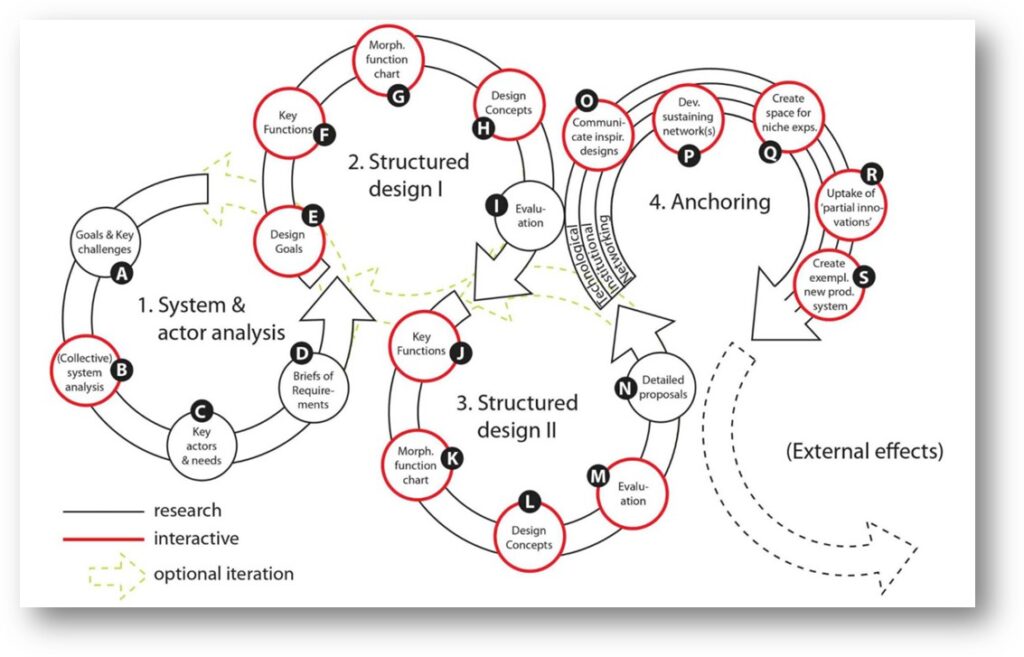
Illustration of reflexive design
Source: Elzen and Bos (2019) (https://linkinghub.elsevier.com/retrieve/pii/S0040162516300919)
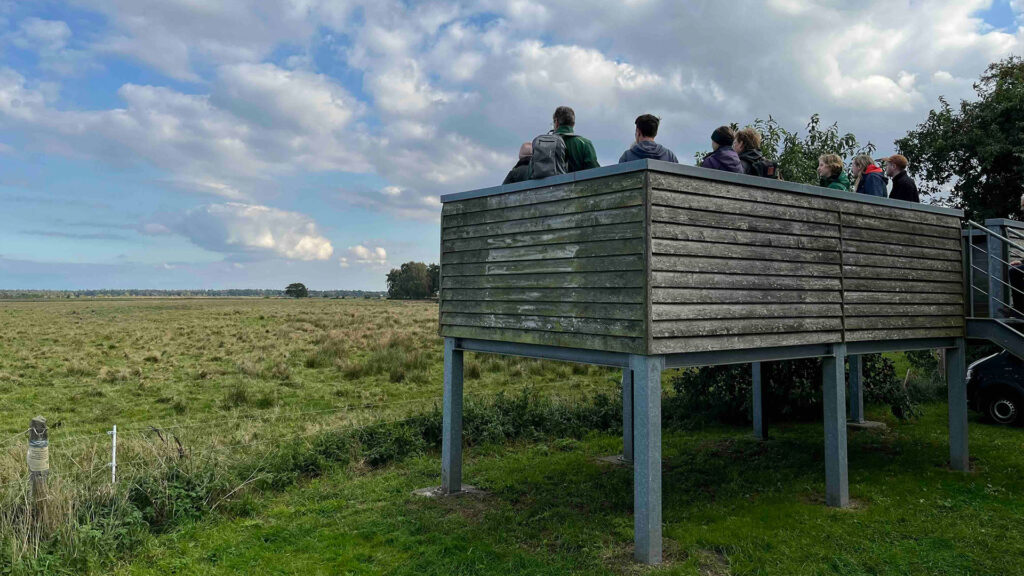
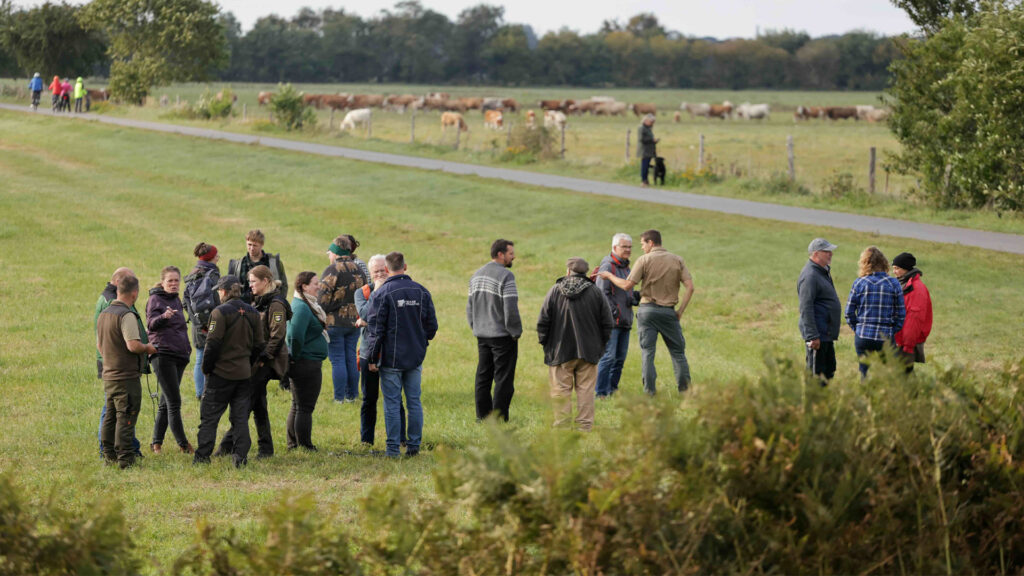
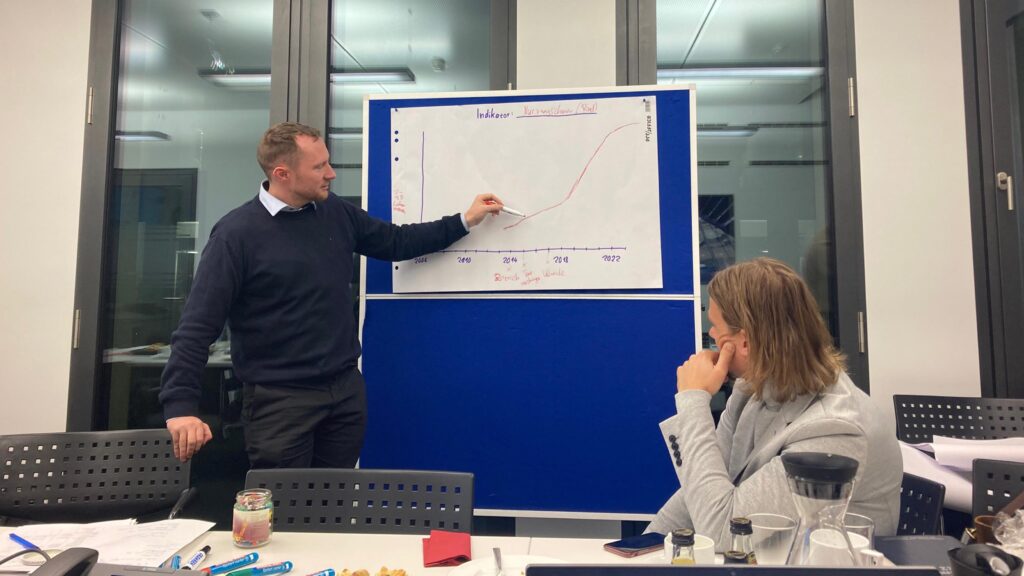
In three project regions, we have established Living Labs, each of which is represented by local residents on a Living Lab advisory board. Our Living Labs are located in the grassland regions of Wesermarsch, Solling in Southern Lower Saxony, and the Havel Lowlands. In regular advisory board meetings, we further develop the GreenGrass technologies in a reflective and interactive manner (see figure): we discuss the latest research findings and developments and gather feedback from the advisory boards, which is then passed on to the project. The regional, structural conditions for new technologies as well as current challenges in pasture-based farming (Riesch et al. 2025) are identified and documented through these stakeholder networks (Möck et al. 2022). This ensures that the innovations not only function technically but are also socially and ecologically sustainable.
You can find out more about our Living Labs at About us.
Additionally, through a co-design process in a cross-regional Policy Lab, we are developing a policy framework designed to strengthen pasture-based livestock systems and the valuable ecosystem services associated with them, while also supporting the development and adoption of technological innovations. In this process, representatives from agriculture, nature conservation, and animal welfare jointly develop a policy mix that addresses the current challenges posed by the decline in species-rich grasslands, aiming to revive sustainable grazing systems.
Innovations such as digital herding tools (e.g., using PastureGuide) hold great potential—for improved animal welfare, more sustainable pasture management, and a future-proof agricultural sector. But how do these novel technologies fit into the existing legal framework?
There are far-reaching questions and uncertainties, particularly in the areas of animal welfare, livestock owners’ liability, and data protection. To advance GreenGrass on a solid legal foundation, we are therefore systematically analyzing the national, European, and international legal frameworks.
We are clarifying how these technologies are compatible with existing legal systems and how they can be integrated into practice without placing an unnecessary burden on farmers. This also involves data protection and data sovereignty: Who owns the data on animal movements, sensor data, or remote sensing data? How can it be used securely, transparently, and lawfully? Innovations must not only function technically but also be grounded in a sound legal framework. With legal expertise, we aim to create the conditions necessary for GreenGrass to move beyond being merely a research project and become a practical reality.
The biggest challenge at present is the legal situation regarding the approval of virtual fencing systems. Most animal welfare authorities classify them as devices that are prohibited under §3 No. 11 of the Animal Welfare Act because they deliver an electric current directly to the animal. However, we view this interpretation critically, as virtual fencing systems are not a single device but consist of multiple components: namely, the collar and an accompanying app. In the app, grazing areas are marked on a digital map. Only animals whose collars have been assigned to a grazing area by the user and who are actually within that grazing area can trigger acoustic and electrical signals. Thanks to the acoustic warning, grazing animals can adjust their behavior and avoid the electric pulse by themselves. No person can arbitrarily trigger pulses via the app or the collar. Because of these conditions, we explicitly refer to a fencing system and not just a fence.
Numerous studies have shown that animals quickly learn the correct behavior in virtual fencing and are no more stressed than animals in physically fenced enclosures (see “Pasture Systems” section). Therefore, virtual fencing systems with current manufacturer settings are not expected to compromise animal welfare. These settings include safety mechanisms which, for example, prevent more than three electrical pulses from being delivered in succession. They also prevent the creation of fences with angles that are too sharp or that are too close together, which would cause animals to receive signals from multiple directions and be unable to avoid them. To protect animal welfare, we recommend that such settings be made mandatory for the approval of virtual fencing systems. Specific guidelines could be developed based on experience from previous research projects and applications in other countries. To this end, we are collaborating with the research projects DaVaSus, AutoPasture, DigiMilchPro, DigiRhythm at Agroscope, SAGE, WeiTiMo and Grazing4Future.
If you keep grazing animals, are a member of an agricultural or landscape conservation association, and support the approval of GreenGrass technologies, we would be delighted if you could get in contact with us. In our communications with decision-making authorities, demands from the agricultural practice underline the extent of interest in GreenGrass’s cause and the wide range of potential applications for virtual fencing systems in Germany. It is essential to catch up with the rest of Europe and the rest of the world in order to ensure the future viability of grazing in Germany.
You are currently viewing a placeholder content from Vimeo. To access the actual content, click the button below. Please note that doing so will share data with third-party providers.
More InformationYou need to load content from reCAPTCHA to submit the form. Please note that doing so will share data with third-party providers.
More InformationYou are currently viewing a placeholder content from Vimeo. To access the actual content, click the button below. Please note that doing so will share data with third-party providers.
More Information